P/N 2455038-2: Engine Cooling Airflow Component
P/N 2455038-2: Engine Cooling Airflow Component
Blog Article
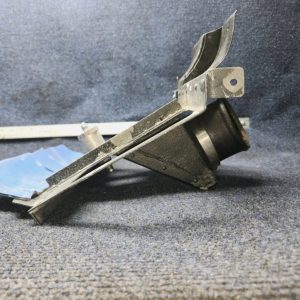
P/N 2455038-2 combines identifiable part-number information, rear right-hand positioning, cooling-air management, and maintenance value for the correct aircraft installation.
The Cessna 172RG Rear Right-Hand Baffle and Cessna 172RG Engine Baffle terms describe related engine-compartment structures, while the exact Cessna 172RG Cooling Baffle should remain identified by P/N 2455038-2.
The Cessna 172RG Baffle Assembly works with check here surrounding seals and panels, while the Rear RH Engine Baffle should not be evaluated as an isolated piece.
A Cessna Engine Cooling Baffle, Cessna 172RG Engine Compartment Parts package, Aircraft Cooling Air Baffle, and Cessna 172RG Airflow Baffle contribute to controlling how cooling air moves around the installed engine.
A Cessna Aircraft Engine Baffle can form part of an Engine Cooling Baffle Assembly, while a Cessna Cutlass Cooling System Part must correspond with the installed aircraft and engine configuration.
Key Identification Details for the Cutlass Baffle
The P/N 2455038-2 marking should be confirmed through stamped identification, labels, donor-aircraft records, packaging, photographs, and applicable Cessna parts information.
Strong traceability improves the commercial and maintenance value of the Cessna 172RG Rear RH Baffle Assembly.
Cessna 172RG Engine Temperature Management
Cracks, missing seals, loose fasteners, or distorted edges can allow cooling air to bypass intended areas.
A replacement component should restore the intended geometry without creating interference with cylinders, hoses, wiring, controls, exhaust parts, or cowling.
Choosing the Correct Cessna Engine Baffle
Aircraft-specific verification helps prevent unsuitable substitution and expensive rework.
Mounting holes should not be enlarged or relocated casually to force alignment.
Maintaining Original Baffle Geometry
Preserving original geometry supports proper alignment and airflow management.
The baffle should be supported correctly during storage and shipment to prevent bending.
Assessing a Used Cessna Baffle
Paint, oil residue, dirt, and old seal material can conceal findings that require closer review.
The assembly should be checked for evidence of engine vibration, cowling contact, exhaust heat, fluid contamination, impact, improper removal, and unsuitable storage.
Cessna Cooling Air Seal Replacement
Flexible seals help close gaps between metal baffles and surrounding cowling surfaces so cooling air follows the intended route.
Seal attachment holes and retaining strips should be inspected for corrosion, cracking, elongation, and previous modification.
Evaluating Corrosion on Cessna Baffles
Professional corrosion treatment helps preserve the remaining baffle within acceptable limits.
Storage components should remain dry, clean, supported, and protected from unsuitable wrapping that traps moisture.
Maintaining Secure Baffle Connections
Detailed attachment-point inspection supports accurate repair planning.
Old hardware should not be reused automatically because it fits the existing holes.
Cessna 172RG Engine Compartment Parts
The complete engine-compartment area should be inspected before parts are ordered.
Used Cessna 172RG Engine Compartment Parts should be evaluated individually rather than accepted solely because they came from the same donor aircraft.
Baffle-Related Temperature Problems
Missing seals, open gaps, loose cowling, or incorrectly installed neighboring components can affect airflow distribution.
The condition of cylinder fins, oil cooler airflow, hoses, ignition timing, induction, exhaust, and other engine systems may also influence operating temperatures.
Evaluating Baffle Repair Value
The technician should consider access, labor, material, finishing, alignment, seals, and future maintainability.
The completed component should be inspected before installation.
Buying P/N 2455038-2
Honest listings reduce disputes and strengthen buyer confidence.
The seller should disclose cracks, corrosion, distortion, missing sections, damaged holes, repairs, heat exposure, vibration damage, and storage conditions.
Evaluating P/N 2455038-2
Any uncertainty regarding orientation, completeness, engine clearance, or aircraft compatibility should be resolved before shipment.
- Confirm the complete part number, donor-aircraft model, donor serial number, rear right-hand position, engine configuration, modification status, and available traceability.
- Confirm whether the component came from an accident aircraft, overheated engine compartment, corroded airframe, dismantled project, or controlled removal.
- Confirm the invoice, payment protection, packaging method, shipping insurance, inspection period, return conditions, and stated component status.
Preventing Damage During Storage
Padding should prevent direct contact with hard surfaces without trapping damaging moisture.
The storage area should remain clean, dry, secure, and protected from salt, chemicals, water leaks, impact, and temperature extremes.
Professional Engine Baffle Installation
Installation should be completed by appropriately qualified aviation maintenance personnel using applicable aircraft, engine, parts, and maintenance information.
Fastener holes should be inspected carefully, while hardware type, grip, spacing, and installation method should correspond with suitable technical data.
Any equipment removed for access should be restored and checked appropriately.
Preventive Engine Baffle Maintenance
Small cracks, loose fasteners, failed seals, and finish damage should be evaluated promptly.
Protective finishes should be maintained so exposed material does not remain vulnerable to moisture and contaminants.
Cessna 172RG Baffle Assembly Conclusion
The Cessna 172RG Rear RH Baffle Assembly
Careful technical and commercial evaluation can reduce fitment errors, missing-component costs, cooling-system gaps, installation delays, and unexpected corrosion findings.
Whether maintenance teams are sourcing an Engine Cooling Baffle Assembly, Cessna Cutlass Cooling System Part, or Cessna 172RG Replacement Baffle, qualified installation should precede operational use.
With complete evaluation and continued care, the Cessna 172RG Rear RH Baffle Assembly
Report this page